<img height="1" width="1" style="display:none" alt="" src="https://px.ads.linkedin.com/collect/?pid=9426010&amp;fmt=gif"/>
HACCP: Safety and hygiene for the catering and hospitality sectors

HACCP: Safety and hygiene for the catering and hospitality sectors

27 January 2025
|
Cleaning & Hygiene

Do you work with food or drink? If so, working in a food-safe manner is essential. HACCP helps hospitality and catering businesses to identify, manage and monitor food safety risks. Find out what the HACCP rules mean and how to apply them in practice within your organisation.

What is HACCP?

HACCP stands for Hazard Analysis and Critical Control Points. It is a preventive method used to identify, assess and control food safety risks. These include microbiological hazards, such as bacteria, as well as chemical substances, foreign objects and allergens.

As part of an HACCP approach, you identify at which stages of the process risks may arise and what measures are needed to prevent or minimise them. Examples include monitoring temperatures, preventing cross-contamination, cleaning and disinfecting correctly, and recording any deviations.

HACCP is therefore not just about a clean kitchen. It involves a structured approach to managing food safety risks, carrying out checks and documenting measures.

Is HACCP compulsory in the hospitality sector?

Do you handle food on a commercial basis? If so, you must operate in accordance with a food safety plan based on the principles of HACCP. You can draw up your own HACCP plan or follow an approved hygiene code for your sector.

A hygiene code translates food safety regulations into practical procedures for areas such as reception, storage, preparation, refrigeration, cleaning and personal hygiene. Which procedure is suitable for your business depends on your activities, processes and sector.

Always check the latest information and approved hygiene codes with the NVWA.

What are the 7 principles of HACCP?

An HACCP plan is structured around seven basic principles:

  1. Identify potential hazards. Investigate where microbiological, chemical and physical hazards or allergens may arise.
  2. Identify the critical control points. Determine at which stages control is necessary to prevent or minimise a risk.
  3. Set critical limits. Consider, for example, a minimum or maximum temperature, time or shelf life.
  4. Decide how you will carry out checks. Set out what you will check, how often this will take place and who is responsible for it.
  5. Set out corrective measures. Describe what staff must do when a limit is exceeded.
  6. Check that the procedure is effective. Regularly assess whether the food safety system is working effectively in practice.
  7. Record the checks. Document measurements, non-conformities and the actions taken in a verifiable manner.

Practical example: Upon receipt of chilled products, check the temperature and the condition of the packaging. Is a product too warm or damaged? If so, follow the agreed procedure, for example, by rejecting the product and recording the non-conformity.

Applying HACCP rules in the hospitality sector

1. Monitoring and recording temperature

Temperature control helps to limit the growth of harmful micro-organisms. Check temperatures on receipt, during storage, preparation, keeping food warm and when cooling it down. Use a suitable and properly functioning thermometer and record the checks in accordance with your HACCP plan or hygiene code. In the event of a deviation, do not just check the temperature, but also follow the agreed corrective action. This may include rejecting a delivery, relocating products or assessing whether a product is still safe to use.

2. Preventing cross-contamination

Cross-contamination occurs when bacteria, allergens or other undesirable substances are transferred from one product, surface or utensil to another. You should therefore keep raw and cooked products separate and use clean materials and work surfaces. Colour-coding chopping boards, knives and cleaning equipment can help staff keep different tasks and areas separate.

3. Cleaning and Disinfecting

A cleaning plan sets out what you clean, how you do it, what products to use, how often and who is responsible. Cleaning removes visible dirt. Disinfecting reduces the number of micro-organisms, but is not automatically necessary in every situation or on every surface.

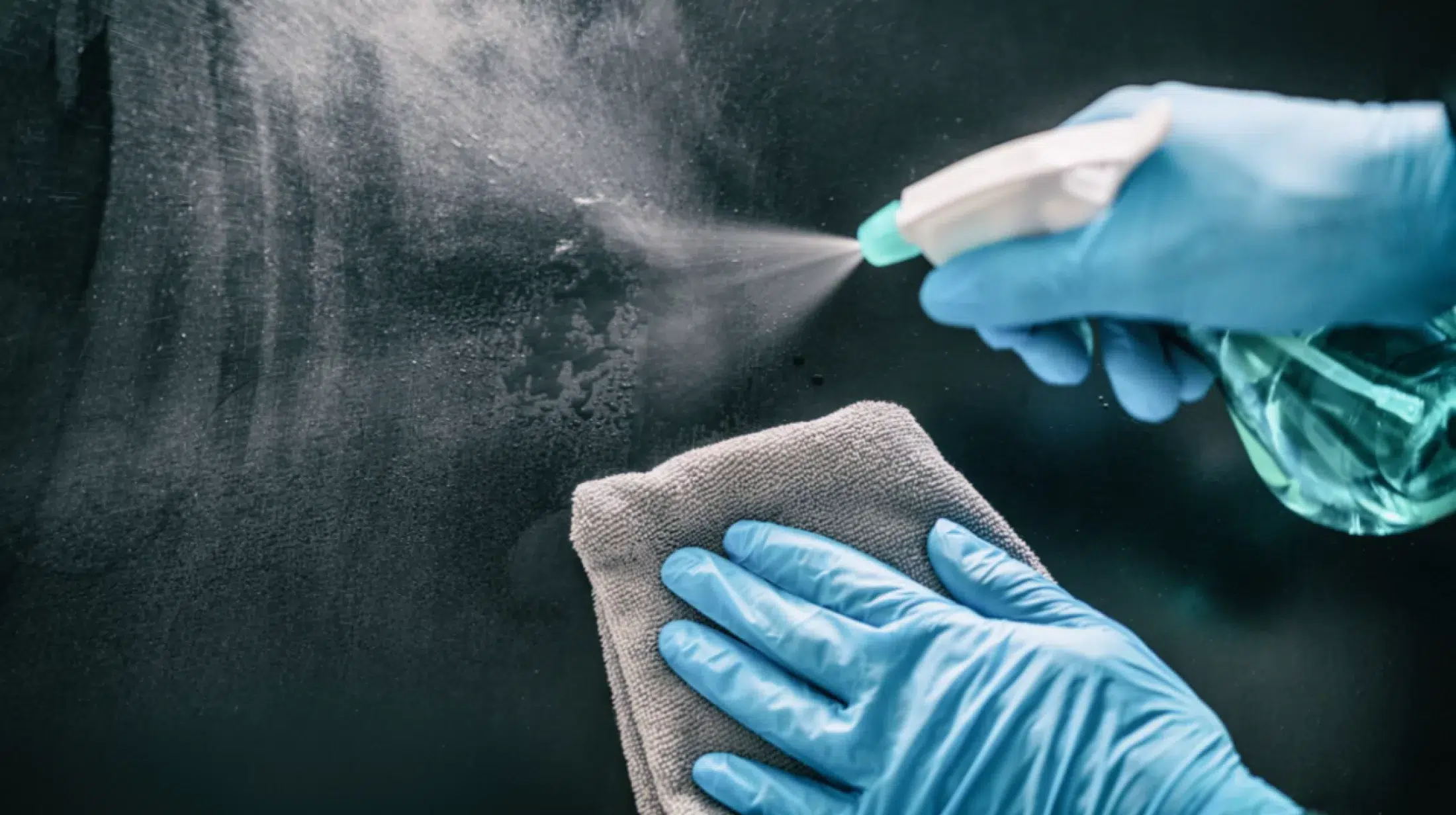
Use professional cleaning products in accordance with the label, the instructions for use and the recommended dosage. Keep cleaning products separate from foodstuffs and prevent residues from coming into contact with food.

4. Personal hygiene

Good personal hygiene helps prevent food contamination. This includes washing hands thoroughly, wearing clean workwear, keeping nails well-groomed and having clear guidelines regarding jewellery, cuts and signs of illness. Depending on the nature of the work, gloves, hairnets and protective clothing can help to minimise contamination. Gloves are no substitute for good hand hygiene and must be changed at the appropriate times.

5. Managing allergens

Ensure staff are aware of which allergens are present in dishes and products. Prevent accidental cross-contamination by keeping ingredients, materials and work surfaces properly separated and clean. Keep product information up to date and ensure guests receive reliable allergen information. Also set out how you handle changes to recipes, substitute ingredients and enquiries from guests.

6. Labelling and traceability

Clear labelling supports safe storage and preparation. Where necessary, include information such as the product name, preparation or opening date, use-by date and allergens. Also, ensure that you can trace where products come from and to whom they have been supplied. A standardised labelling procedure reduces the risk of confusion and helps staff to use products correctly and in a timely manner.

Practical HACCP checklist for the hospitality and catering sectors

  1. Have the products and packaging received been checked?
  2. Have the fridges and freezers been checked?
  3. Are temperatures recorded in accordance with the agreed procedure?
  4. Are raw and cooked products kept sufficiently separate?
  5. Are work surfaces, materials and equipment clean?
  6. Are cleaning products used and dosed in accordance with the instructions?
  7. Are the products correctly sealed, stored and labelled?
  8. Is the allergen information complete and up to date?
  9. Do staff adhere to the guidelines on personal hygiene?
  10. Are non-conformities and corrective actions documented?

This checklist is intended as general guidance and does not replace a company-specific HACCP plan or an approved hygiene code.

How Bunzl Foodservice helps you ensure food safety

Working in accordance with food safety standards requires clear procedures, well-trained staff and suitable equipment. Bunzl Foodservice supports hospitality and catering businesses with products, expertise and practical solutions for cleaning, personal hygiene, food packaging, labelling and temperature control.

Ready to get started with food safety in your organisation?

Browse our range of professional cleaning products, personal hygiene items, food-safe packaging and labelling. Would you like to know which solutions suit your working methods? Then please contact Bunzl Foodservice for practical advice.

Feel free to contact us

Do you have a question or comment?
You can contact us on:
📞 +31 (0)36 547 8666
✉️ sales.almere@bunzl.nl
📍 Rondebeltweg 82, 1329 BG Almere

Contact form
Recent blog articles
11 November 2026
|
Hospitality
The best dish of the evening doesn’t always guarantee the best review
Good food remains the foundation of any successful restaurant. However, guests are increasingly less likely to base their judgement on…
Read more
Winners of the Out of Home Awards 2026 Winners of the Out of Home Awards 2026
4 November 2026
|
Current affairs, Foodservice, News
Double award winner at the Out.of.Home Awards 2026
Double winner at the Out.of.Home Awards 2026 – we’re proud of that! Bunzl Foodservice won at the Out.of.Home Awards 2026…
Read more
Professional vacuum cleaner Professional vacuum cleaner
4 November 2026
|
Foodservice, Catering, Hospitality, Leisure, Cleaning & Hygiene
Why the guest experience is often determined by what guests don’t see
When organisations invest in the guest experience, the focus is often on the visible aspects of that experience. A refurbished hotel room, a…
Read more

Latest news

See our other articles
11 November 2026
|
Hospitality
The best dish of the evening doesn’t always guarantee the best review
Good food remains the foundation of any successful restaurant. However, guests are increasingly less likely to base their judgement on…
Read more
Winners of the Out of Home Awards 2026 Winners of the Out of Home Awards 2026
4 November 2026
|
Current affairs, Foodservice, News
Double award winner at the Out.of.Home Awards 2026
Double winner at the Out.of.Home Awards 2026 – we’re proud of that! Bunzl Foodservice won at the Out.of.Home Awards 2026…
Read more
Professional vacuum cleaner Professional vacuum cleaner
4 November 2026
|
Foodservice, Catering, Hospitality, Leisure, Cleaning & Hygiene
Why the guest experience is often determined by what guests don’t see
When organisations invest in the guest experience, the focus is often on the visible aspects of that experience. A refurbished hotel room, a…
Read more
27 October 2026
|
Hospitality
This is how hotel toiletries and guest amenities strengthen your hotel brand
When guests look back on a hotel stay, they usually do not recall a single specific moment. Their overall impression is formed by the sum of all their experiences…
Read more
Any questions or need advice?
Leave a message
Privacy