When organisations invest in the guest experience, the focus is often on the visible aspects of that experience. A refurbished hotel room, an attractive catering concept or an inspiring visitor environment are tangible improvements that directly contribute to a venue’s appeal.
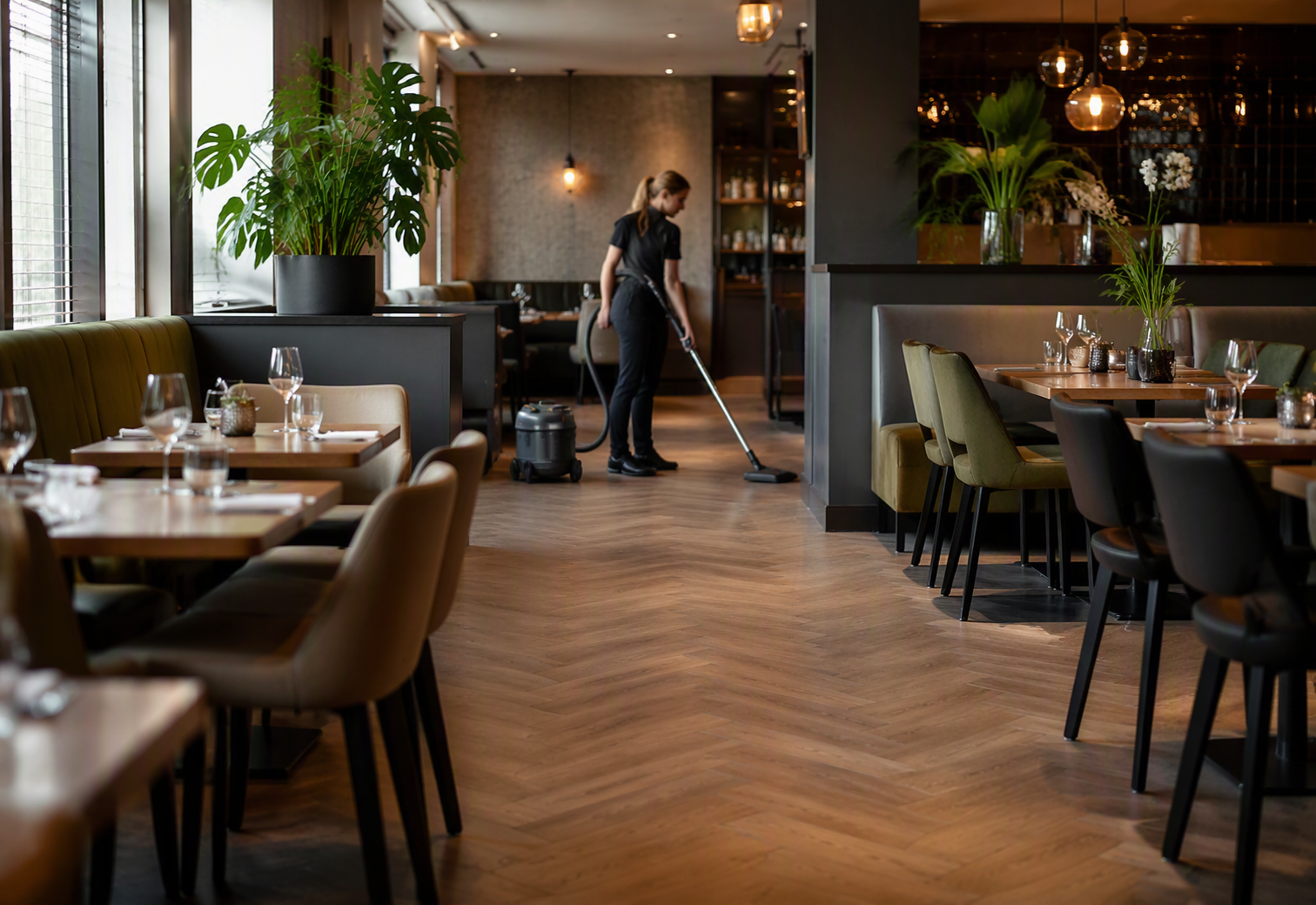
Yet the guest experience is often determined by entirely different factors. Behind every clean hotel room, well-maintained toilet block or hassle-free visitor experience lies an operation that remains largely invisible to guests. And it is precisely there that the difference is increasingly being made.
Ultimately, guests do not judge the processes behind a visit, but rather the outcome. They expect the environment to be clean, facilities to be available and everything to work as it should. Nobody gives a second thought to stock management, cleaning rounds or logistical processes. Nor do they need to. But as soon as something is missing or not in order, it immediately becomes clear just how important those processes actually are.
The guest experience goes beyond service alone
For a long time, the guest experience was primarily linked to personal contact. Receptionists, catering staff and hosts still play a crucial role, but their influence does not stand alone. The overall experience is also shaped by the environment in which guests find themselves.
A warm welcome feels less hospitable when sanitary facilities are not clean. A stunning hotel concept loses its appeal when facilities are lacking or areas appear neglected. The reverse is also true: when the operational basics are in order, staff have more scope to focus on service and personal attention.
Hospitality is therefore not created solely at the front of an organisation. It is the result of hundreds of small processes that, together, determine how a visit is experienced.
It is often the smallest details that make the biggest difference
Interestingly, many impressions are formed by things that guests hardly even notice. A well-maintained toilet block, a well-stocked dispenser, high-quality hotel toiletries or facilities that are always available are usually taken for granted.
Yet it is precisely these kinds of details that contribute significantly to the sense of quality and professionalism. They demonstrate that an organisation pays attention to the entire experience, not just the elements that are immediately visible in marketing communications or on social media.
This also explains why many successful organisations are taking an increasingly critical look at their operational processes. Not because guests explicitly ask for this, but because guests experience the consequences of these processes every day.
Operational quality is becoming increasingly important
Meanwhile, the pressure on organisations is mounting. Staff remain in short supply, costs are rising and guests expect consistent quality, regardless of when they visit. At the same time, visitors are increasingly comparing their experiences with those in other sectors. For example, the service someone experiences in a hotel also influences their expectations at a holiday park, museum or leisure venue.
Consequently, the importance of processes that are reliable, transparent and manageable is growing. Organisations that have their day-to-day operations well organised are better able to maintain quality and are less reliant on improvisation.
This applies to cleaning, stock management and waste management, but just as much to the availability of guest amenities and other facilities that contribute to comfort and convenience. Getting the basics right creates a strong foundation for a positive visitor experience.
The best guest experience is created behind the scenes
Of course, new concepts, innovative facilities and distinctive service remain important. But more and more organisations are discovering that the greatest benefits do not always lie in what visitors see.
The best guest experience often arises when everything behind the scenes runs smoothly. When processes run smoothly, facilities are available and staff can rely on a well-organised operation, the experience feels effortless for guests.
And perhaps that is the highest form of hospitality. It’s not that visitors see how much work goes on behind the scenes, but that they don’t have to think about it at all.
Ultimately, guests remember how a visit felt. And that experience is often determined by everything they never saw.
Frequently asked questions
1. What is meant by the guest experience?
The guest experience encompasses all the impressions visitors form during their stay or visit, including service, comfort, hygiene, facilities and the overall environment.
2. Why are operational processes important for the guest experience?
This is because processes such as cleaning, stock management and facilities support ensure that guests enjoy a clean, comfortable and consistent experience.
3. What role do guest amenities play in the guest experience?
Guest amenities contribute to comfort, convenience and the perception of quality. They form an important part of the overall brand and guest experience.
4. Which operational details do guests notice most quickly?
Guests are particularly aware of the consequences of operational processes, such as the cleanliness of areas, the availability of facilities and the general state of maintenance.
5. Why are small details becoming increasingly important?
This is because visitors have higher expectations and compare their experiences with those at other venues and in other sectors. As a result, small details are having an increasingly significant impact on the overall impression.
6. How can organisations improve their guest experience?
By focusing not only on visible investments but also on operational processes, hygiene, stock management and facilities that support the guest experience on a daily basis.