
<img height="1" width="1" style="display:none" alt="" src="https://px.ads.linkedin.com/collect/?pid=9426010&amp;fmt=gif"/>
Bunzl Foodservice

PPWR legislation

What is the PPWR?

The Packaging and Packaging Waste Regulation (PPWR) is new European legislation that has significant implications for packaging within the foodservice sector. The regulation imposes stricter requirements on packaging design, recyclability, reuse and the use of recycled materials.

For many organisations, this means that packaging choices, processes and reporting will need to be adapted in the coming years. Timely preparation is therefore essential.

Bunzl Foodservice closely monitors developments relating to the PPWR and helps organisations translate complex regulations into practical solutions. This means you’ll not only know what’s changing, but, more importantly, what this means for your organisation and what steps you can take today to be prepared for tomorrow.
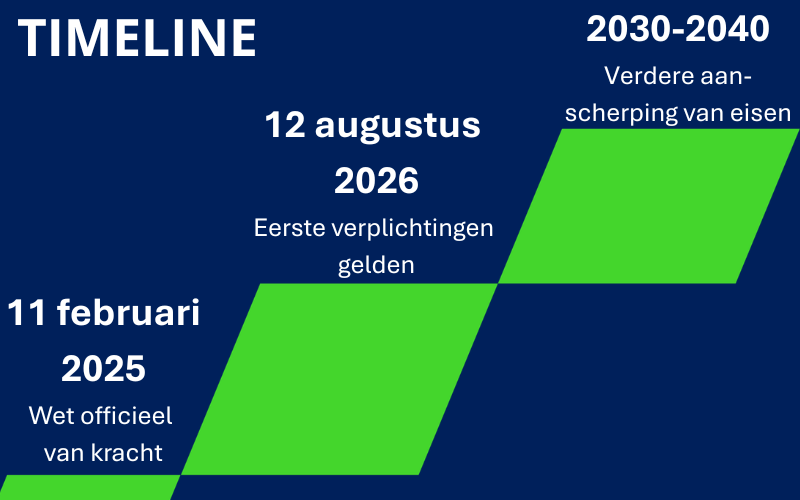

When will the legislation take effect?

Key rules

1. Less packaging

  • Packaging must be smaller, lighter and more efficient
  • Less "empty space" (e.g. in e-commerce packaging)

2. 100% recyclable by 2030

  • All packaging must be recyclable
  • Design must meet "design for recycling" criteria

3. More recycled material

From 2030 minimum percentages of recycled plastic:

  • 30% in PET packaging (food)
  • 10-35% in other plastic packaging
  • This continues towards 2040

4. Less harmful substances

  • Restrictions on hazardous substances
  • Ban on certain substances (such as PFAS) in packaging

5. Mandatory recycling

  • Encouraging reusable and refillable packaging
  • Concrete reuse targets per sector

6. Waste reduction targets per EU country

  • 2030: -5% packaging waste
  • 2035: -10%
  • 2040: -15% (vs. 2018)

7. Reporting & accountability

Companies get additional commitments:

  • Demonstrating packaging compliance (declaration of conformity)
  • Registration and reporting
  • Producentenverantwoordelijkheid

Who does this apply to?

The PPWR applies to virtually every organisation that uses, sells, imports or places packaging on the market. However, the impact varies depending on the type of organisation.
Manufacturers

Manufacturers are facing stricter requirements regarding packaging design, recyclability, reusability and the use of recycled materials. In addition, they must be able to demonstrate that packaging complies with the new European requirements.

Importers

Importers are becoming jointly responsible for the packaging they place on the European market. This means that product and packaging information must be increasingly well documented and made available for inspection and reporting.

Wholesalers

Wholesalers play a key role within the supply chain. They are increasingly receiving enquiries from customers regarding compliance, product information and sustainability. Furthermore, packaging information must be made increasingly transparent in order to support customers in meeting their own obligations.

Retailers

Retailers are facing increasing demands from both legislation and consumers. These include packaging that must be recyclable, contain less packaging material or consist of a higher proportion of recycled raw materials.

E-commerce operators

For e-commerce organisations, there is a strong focus on reducing over-packaging and empty space within packaging. In addition, packaging choices are becoming increasingly important in order to meet future requirements regarding recyclability and waste reduction.

Foodservice companies

Restaurants, hotels, holiday parks, caterers, petrol stations and other foodservice organisations will be indirectly affected by the PPWR. Suppliers will adapt their product ranges to comply with the new requirements regarding packaging, materials and reuse. It is therefore important to gain an understanding in good time of which packaging solutions are future-proof.

In short, anyone who uses or markets packaging.

What does this mean concretely for your organisation?

The introduction of the PPWR requires many organisations to critically review their packaging strategy. Depending on your role in the supply chain, different obligations and considerations may apply. For many businesses, this means they will need to prepare for changes in packaging choices, documentation and collaboration within the supply chain over the coming years.

Re-evaluating packaging

Packaging is increasingly required to meet stricter requirements regarding recyclability, material use and waste reduction. As a result, it may be necessary to reassess existing packaging solutions.

Using more sustainable materials

The PPWR encourages the use of materials that are more easily recyclable and have a lower environmental impact. This may influence product choices within your organisation.

Using more recycled materials

Minimum percentages of recycled material are now mandatory for various types of plastic packaging. As a result, organisations are increasingly having to deal with packaging that contains a higher proportion of recycled material.

Greater focus on data and documentation

The legislation introduces additional requirements regarding product information, compliance documentation and reporting. This makes the transparent recording of packaging data all the more important.

Closer collaboration within the supply chain

Manufacturers, importers, suppliers and end-users will need to share more information in order to meet the new requirements together.

How does Bunzl Foodservice help you prepare for the PPWR?

The introduction of the PPWR requires more than just knowledge of the legislation. Organisations need to be able to rely on a partner who actively monitors developments, understands the impact and can provide timely advice on the appropriate next steps.

That is why Bunzl Foodservice works with a specialised compliance and project team that is constantly monitoring changes to legislation and regulations concerning packaging and food contact materials. In this way, we ensure that our customers can rely on up-to-date information and products that meet the latest requirements.

Our approach

Active monitoring of legislation and regulations

We closely monitor developments relating to the PPWR and associated legislation. This enables us to respond promptly to new requirements and keep our customers informed of relevant changes.

Close collaboration with suppliers

Our specialists are in constant contact with suppliers to collect and assess the necessary compliance documentation, product specifications and supplementary declarations.

Reliable product information

All relevant information is managed and monitored centrally, ensuring that product data remains up to date, consistent and accessible. This helps us to provide customers with the right information quickly.

Focus on compliance

Documentation relating to food contact materials, PFAS and other relevant regulations is carefully managed and updated. In this way, we are constantly working to ensure our product range complies with current and future European requirements.

Always one step ahead of new regulations

The PPWR will bring about significant changes in the coming years for organisations that use or place packaging on the market. By gaining an understanding of the impact on your organisation now, you can avoid any surprises in the future.

Do you have any questions about the PPWR or would you like to know what this legislation means for your organisation? Our specialists would be happy to advise you.

Any questions or need advice?
Leave a message
Privacy