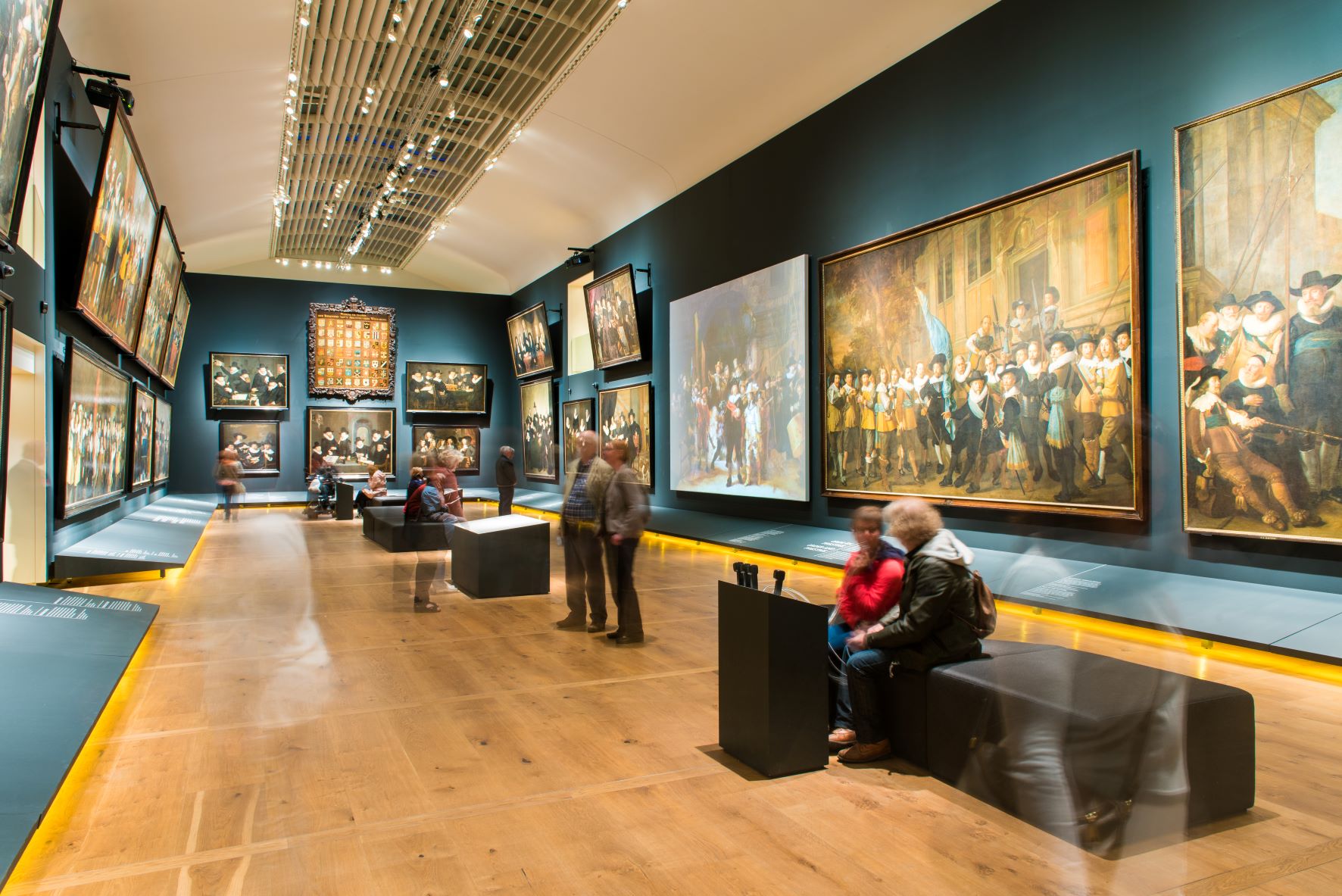
Museums are traditionally judged on their collections, exhibitions and educational value. These fundamentals naturally remain essential. Nevertheless, the way in which visitors experience and appreciate museums is changing.
Whereas cultural institutions used to be compared mainly with other museums, they now compete with the entire leisure market. A visit to a museum is weighed up against a day out at the zoo, a theme park, a city break or an event. As a result, visitors’ expectations are also shifting.
Visitors no longer judge a museum solely on what they see, but increasingly on how they experience their visit. Hospitality, comfort, catering, hygiene and ease of use are playing an increasingly important role in this regard. For museums, this means that a strong exhibition alone is not always enough to positively surprise visitors, encourage them to return or prompt them to make a recommendation.
Museums are increasingly competing with the wider leisure market
When consumers are planning a day off, they compare different leisure activities. The choice is often not between Museum A and Museum B, but between a museum, a theme park, a zoo, a theatre, a city break or a dining destination.
As a result, visitors bring with them expectations from other sectors. The service they experience in a hotel, the efficiency of a theme park or the quality of a catering experience subconsciously form the frame of reference against which a museum is also judged. This has significant implications for cultural institutions. Not because museums need to abandon their cultural identity, but because visitors are increasingly looking at the overall quality of a visit.
The focus is therefore shifting from: “How good is our exhibition?” to: “How good is the overall experience surrounding our exhibition?”
Visitors judge a museum as a single experience
A visit to a museum consists of dozens of touchpoints. Whilst the exhibition is the centrepiece, it is certainly not the only part of the experience. The online research beforehand, the ticket-purchasing process, the welcome on arrival, the route through the building, the catering facilities and the toilet facilities all contribute to visitors’ overall impression.
This is precisely why an excellent exhibition can still result in an average visitor experience. Conversely, strong facilities and hospitality can significantly enhance visitors’ appreciation. After all, visitors do not distinguish between different departments or processes; they remember a single overall experience.
How a visit feels is often more important than people realise
After a few months, visitors do not always remember exactly which objects or works of art they saw. What often sticks in their minds, however, is how a venue made them feel. Did visitors feel welcome? Was it easy for them to find their way around? Were they well looked after? Was there space to relax, have a bite to eat or bring their visit to a peaceful close?
These seemingly small moments play a significant role in how visitors rate an organisation. They influence not only ratings and reviews, but also the likelihood of visitors returning for a future exhibition.
Hospitality is becoming a strategic success factor
For many years, the focus in many museums was rightly on collection management, programming and education. Hospitality was often seen as a support service. That distinction is becoming blurred.
More and more cultural institutions are looking at the entire visitor journey and investigating which factors influence satisfaction, length of stay and loyalty. It is becoming clear that hospitality is not created in one place, but is the result of all points of contact combined. From the reception desk to the signage. From catering to cleaning. From accessibility to service provision. Everything contributes to the perception that museum visitors form.
Hygiene has become a visible aspect of hospitality
Many visitors take hygiene for granted. That is precisely why it has such a significant impact on the visitor experience. When a museum is clean, well-kept and well-maintained, it feels natural. When toilet facilities are dirty, dispensers run out or areas look neglected, it is immediately noticeable. These details may seem operational in nature, but they influence how visitors perceive an organisation’s professionalism. A well-maintained environment conveys attention to detail, quality and care. This strengthens visitors’ trust and supports the image a museum wishes to project.
A toilet says more about an organisation than many people realise
Visitors do not form their opinions solely in the exhibition galleries. Areas that are not part of the exhibition also influence the overall experience. A clean and well-maintained toilet conveys attention to detail. It shows that quality does not stop where the exhibition ends. Conversely, a negative experience relating to toilet facilities can have a disproportionately large impact on the impression visitors take away of an organisation. This is precisely why forward-thinking museums are increasingly viewing hygiene as part of their hospitality strategy.
Museum catering is evolving from a mere facility into a destination
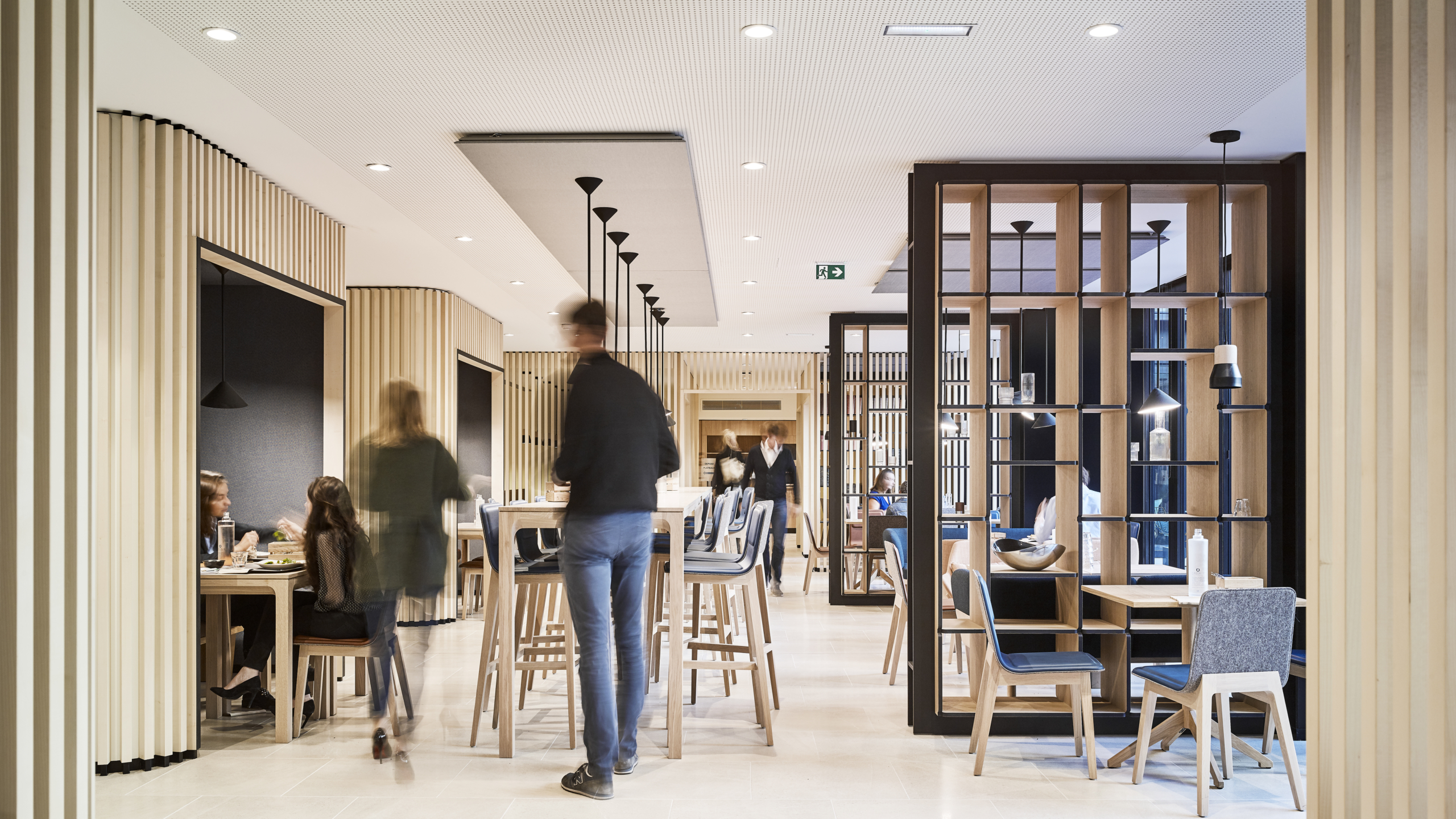
The role of the food and drink sector is also changing rapidly. Whereas a museum café used to be primarily a practical facility, visitors now expect a dining experience that matches the quality of the rest of their day. Visitors do not just compare a museum café with other museums; they also compare it with modern coffee bars, lunchrooms and hospitality concepts outside the cultural sector. This raises expectations regarding quality, speed, presentation and service.
The hospitality sector enhances the visitor experience
More and more visitors are turning a museum visit into a full-day out. Lunch, coffee or drinks are not seen as an interruption to the programme, but as an extension of it. Museums that make strategic use of catering services not only enhance the visitor experience but also often encourage visitors to stay longer and create additional opportunities for interaction with guests. As a result, catering is evolving from a supporting facility into a fully-fledged part of the overall museum experience.
Sustainability is becoming increasingly visible to visitors
Alongside hospitality, sustainability is playing an increasingly important role in how organisations are assessed. Visitors do not expect museums to be completely perfect or climate-neutral. However, they do expect sustainability to be a visible part of day-to-day operations. Waste separation, the circular use of materials, responsible procurement and sustainable facility management choices are increasingly seen as hallmarks of professional organisational management.
This is particularly true for museums. After all, cultural institutions often fulfil a social role as well, meaning that visitors expect sustainability not only to be communicated, but also to be visibly put into practice.
The best visitor experience is often created behind the scenes
Interestingly, a significant part of the visitor experience is shaped by processes that visitors hardly notice. Stock management, cleaning, waste management, logistics, maintenance and facilities support may not be visibly present, but their impact is constantly felt. When these processes function well, they go largely unnoticed. When they fall short, visitors are confronted with the issue almost immediately. It is precisely for this reason that an increasing number of museums are viewing the visitor experience as an organisation-wide issue rather than solely a marketing or hospitality matter.
The most successful museums think like hospitality organisations
The museums that will set themselves apart in the coming years will combine high-quality content with a strong visitor experience. They understand that the collection, education and hospitality do not replace one another, but rather reinforce each other. An exhibition can attract visitors. An excellent overall experience ensures that visitors stay longer, return and share their experiences with others. This requires attention to be paid to all aspects of the visitor journey, not just what happens in the exhibition galleries.
Conclusion: visitors come for the collection, but remember the experience
Museums will always be about culture, stories, education and inspiration. But the way visitors experience them is changing. Expectations regarding comfort, service, catering, hygiene, sustainability and ease of use continue to rise. As a result, hospitality is becoming an increasingly important factor for success within the cultural sector. Museums that invest in both content and the visitor experience create greater value for visitors whilst simultaneously strengthening their position within an increasingly competitive leisure market. After all, visitors may come for the exhibition, but more and more often they return for the experience surrounding it.
Frequently asked questions
1. Why is hospitality becoming more important for museums?
Visitors are increasingly judging museums on the overall experience. Alongside the exhibition itself, hospitality, comfort, catering and hygiene play a key role in how a visit is rated.
2. What is meant by the visitor experience in a museum?
The visitor experience encompasses all points of contact during a visit, including reception, wayfinding, food and drink facilities, toilet facilities, service and the exhibition itself.
3. What role does the catering sector play in modern museums?
Museum catering is increasingly seen as part of the overall experience. Visitors expect quality, comfort and a range of options that complement their day out.
4. Why is hygiene important for museums?
Clean facilities and a well-maintained environment help to build trust, comfort and a positive visitor experience. Negative experiences in this regard can affect the overall impression of a visit.
5. How can museums improve their visitor experience?
By focusing on hospitality, clear signage, high-quality catering, hygiene, comfort and consistent service throughout the entire visit.
6. How does sustainability influence museum visits?
Visitors increasingly expect organisations to manage materials, waste streams and raw materials responsibly. Sustainability therefore helps to build trust and enhance reputation.
7. Why do visitors compare museums with other leisure activities?
This is because visitors have a wide range of options for spending their free time. As a result, they are increasingly comparing museums with theme parks, restaurants, events and other leisure concepts.
8. What is the difference between culture and hospitality?
Culture focuses on content, education and inspiration. Hospitality focuses on comfort, hospitality and service. In modern museums, these elements increasingly reinforce one another.